

Positive parenting practices among mothers with personal experiences of violence
Research on parenting where both mother and child have experiences with violence/abuse is limited. This study examines the relationship between parent and child, and parenting practices among mothers who themselves have experienced violence/abuse. The result was gratifyingly positive.
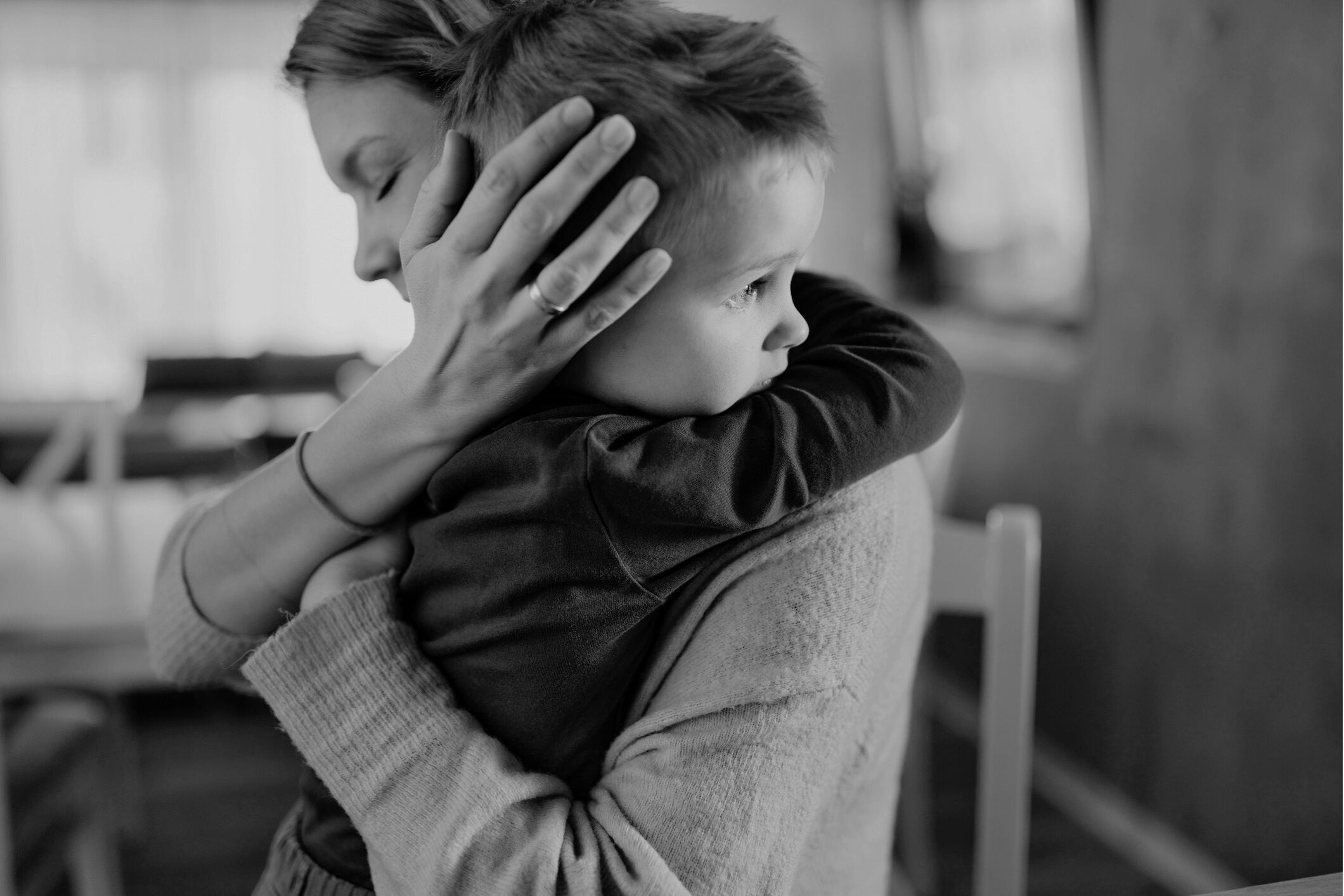
Original Title: Parenting After Child Maltreatment: A Study of Maternal Parenting Strategies and the Parent-Child Relationship
Authors: Marit Burkeland-Lie, Jens Christoffer Skogen, Børge Sivertsen, Kaia Kjørstad, Anders Dovran, Gertrud Sofie Hafstad & Mari Hysing
Publication Year: 2026
Journal: Journal of Child & Adolescent Trauma
Main Findings
- There were few differences in parenting behavior between mothers with experiences of violence and abuse, and mothers without such experiences (control group). The highest possible score on the positive parenting scale is 15. The sample reported an average score of 14.
- Both groups reported using positive parenting strategies, consistent discipline, and close and loving relationships with their children.
- Mothers with such experiences reported higher parent-child conflict than mothers without such experiences. This may indicate secure relationships, but also emotional and relational difficulties resulting from trauma experiences in both mother and child.
Summary
The study is based on self-reported data from 228 mothers with experiences of violence/abuse. Their children were aged 5 to 11 years. The mothers reported a high average score on positive parenting and closeness, and the study found no significant difference between the test and control groups. High scores indicate parenting practices characterized by positive involvement, and that mothers perceive the relationship with their children as characterized by warmth, love, and open communication.
The findings contrast with a number of studies from other countries, where participants reported less affectionate parenting styles, lower levels of care, more negative parenting behavior, and poorer parent-child relationships in families.
The differences may be due to variations in sample and context; such as the children’s age, whether studies include both mothers and fathers, the group’s access to welfare services, socioeconomic background, and cultural conditions. Since a secure and stable relationship can mitigate negative consequences of children’s experiences of violence and/or abuse, this is particularly promising. Read the study’s discussion section for further insights that may explain the mothers’ good parenting skills.

Other published articles from the survey
Clear link between violence and poor sleep
This systematic literature review is the first to specifically examine the connection between children expo…
Experience more mental health problems than other children
Children and adolescents who have experienced maltreatment have more mental health problems compared to oth…
Sleep Problems in Adolescents Exposed to Violence
Adolescents who have experienced violence in childhood may have an increased risk of sleep disturbances. Th…
Health Cohort for Children and Adolescents Exposed to Violence and Abuse
How do violence and abuse affect children and adolescents in the long term? The Triple-S study is the first…
Read also
-
This content is not available in English.
Deler kunnskap for å gi barn bedre hjelp
Hva kan samfunnet lære av saker der barn sviktes av systemet? Nå har undersøkelsesordningen som skal sikre at samfunnet lærer når barn sviktes fått innspill og ny kunnskap…
Read more about Deler kunnskap for å gi barn bedre hjelp -
This content is not available in English.
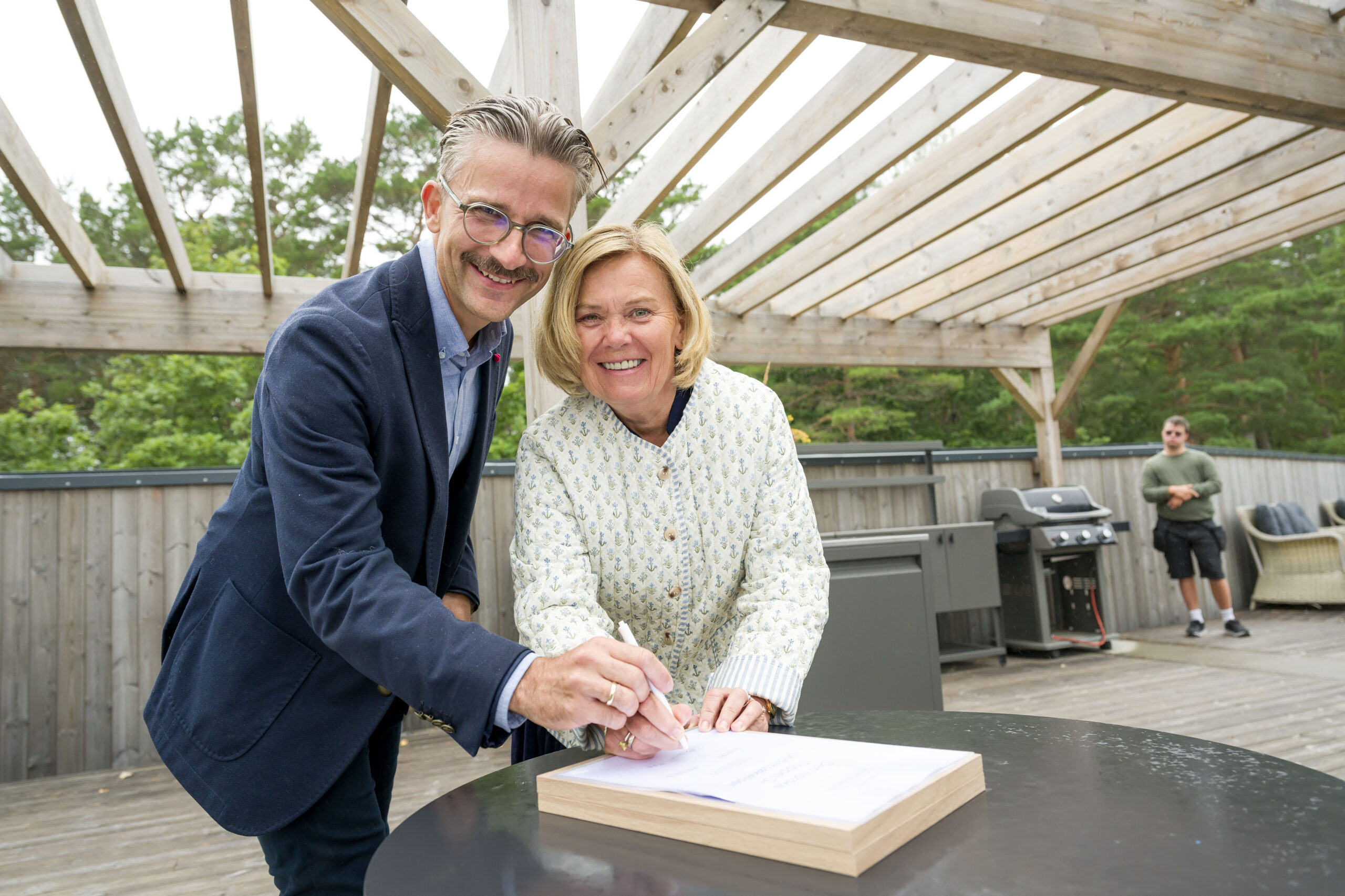
Skal styrke kunnskapen om vold mot barn
Mandag 11. august signerte Stine Sofies Stiftelse en avtale om finansiering av ny forskning i den nasjonale langtidsstudien Trippel S,…
Read more about Skal styrke kunnskapen om vold mot barn -
This content is not available in English.

Utrygghet skader et lite liv
Om konsekvensene av å leve i et utrygt hjem over tid De fleste av oss vokser opp i normale trygge…
Read more about Utrygghet skader et lite liv